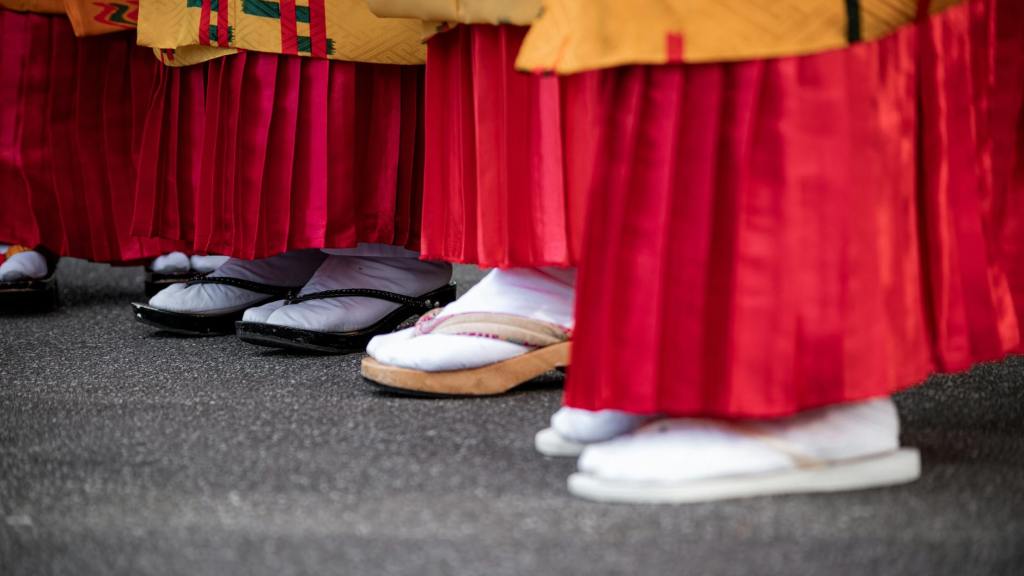
Japan’s traditional sandals — zōri and geta — are more than elegant footwear. They are icons of craftsmanship, cultural markers, and symbols of the quiet refinement that defines Japanese aesthetics. While often admired for their beauty and simplicity, these sandals carry centuries of history, meaning, and meticulous artistry in every stitch and carved line.
Whether you’re a traveler curious about cultural traditions or a luxury lover drawn to artisanal craft, this guide introduces you to the world of Japan’s most iconic footwear.
What are Zōri and Geta?
Although they may appear similar at first glance, zōri and geta serve different purposes, embody different traditions, and are made using distinct techniques.
Zōri — The Elegant, Refined Classic
Zōri are soft, often luxurious sandals typically worn with formal attire such as kimono.
They are recognized by their:
- Flat sole
- Soft or padded construction
- Fabric, leather, brocade, or lacquer finishes
- Refined silhouette
Traditionally made from rice straw, lacquered wood, silk brocade, or leather, zōri are the preferred choice for ceremonies, celebrations, and formal events. Today, luxury designers reinterpret them using velvet, handwoven textiles, and even metallic trims.
Think of zōri as the “classic dress shoe” of Japanese footwear — understated, elegant, and timeless.
Geta — The Practical, Architectural Icon
Geta are wooden sandals raised on one or two “teeth” (ha) that elevate the wearer off the ground.
They are known for:
- Carved wooden bases
- Distinctive clacking sound (karan-koron)
- Raised structure that protects the kimono from dirt and rain
Geta are traditionally worn with yukata in summer festivals or everyday casual wear. Some styles are minimalist; others are beautifully lacquered with intricate designs.
Modern designers now create sculptural geta that blend fashion, performance art, and heritage craft.
A History Rooted in Utility and Elegance
Zōri and Geta trace their origins to the Heian period and evolved through centuries of craftsmanship.
They were designed to:
- Keep kimono hems clean
- Support posture and balance
- Complement the silhouette of traditional clothing
- Reflect one’s social role or formality
Over time, artisans refined materials, techniques, and aesthetics, transforming functional footwear into cultural treasures.
Materials: Where Tradition Meets Luxury
Traditional sandals use natural materials that age beautifully:
- Hinoki (Japanese cypress) for geta bases
- Paulownia wood for lightweight geta
- Silk & Nishijin-ori brocade for formal zōri straps
- Rice straw (wara) for woven soles
- Lacquer (urushi) for glossy finishes
- Cotton or velvet for casual or modern designs
The harmony of texture, craftsmanship, and durability makes each pair unique — and often collectible.
When Do Japanese People Wear Them?
Zōri
- Weddings
- Tea ceremonies
- Coming-of-age celebrations
- High-end kimono outings
- Formal gatherings
Geta
- Summer festivals
- Traditional performances
- Daily wear in certain regions
- Rainy days to protect kimono
From Tradition to Contemporary Fashion
In recent years, zōri and geta have stepped into the global spotlight. Designers and fashion houses collaborate with small Japanese ateliers, reimagining these sandals with:
- Metallic fabrics
- Sculptural wooden soles
- Embroidery and beading
- Leather or vegan materials
- Elevated platform silhouettes
This renaissance is driven by a renewed appreciation for shokunin craftsmanship — a theme we’ll explore in the next article.
Why this craft matters ?
Zori and Geta embody the Japanese philosophy of Monozukuri – making with spirit, precision and respect.
Each pair connects past and present, slow craft and modern lifestyle. For those seeking an authentic, intimate understanding of Japan, visiting or meeting a Shokunin is an unforgettable experience.
Coming Next: The Artisans Behind the Craft
This article opens the door into a world of rare, disappearing expertise.
In the next chapter of our Chrysalis Tokyo Craftsmanship Series, we dive into the lives and philosophy of the shokunin — the master artisans who continue to handcraft these extraordinary sandals with devotion, discipline, and soul.
 Chrysalis Tokyo
Leave a comment